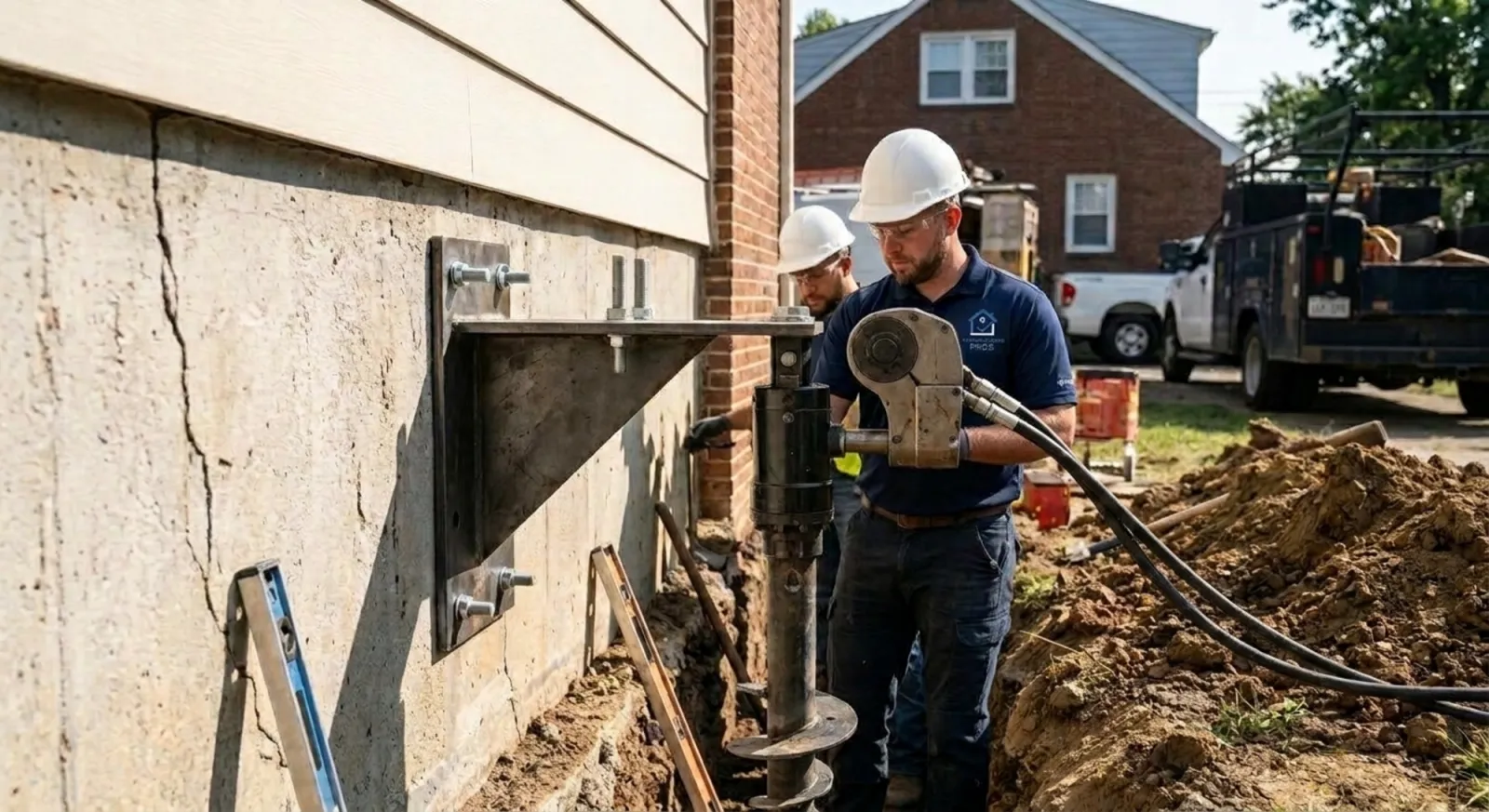
Foundation Repair & Piering
Foundation Repair & Piering in Charleston, SC
When a footing sinks into soft, wet ground, piers carry the house on deeper soil. See how the repair works.
Signs a Charleston Home Is Settling
A foundation that settles tells you through the rest of the house. Watch for these:
- Doors and windows that stick or no longer latch.
- Cracks in drywall that grow, especially from the corners of doors and windows.
- Stair-step cracks in brick or block.
- Gaps between a wall and the floor, or between trim and the wall.
- Floors that slope or feel springy.
- A porch, step or chimney pulling away from the house.
Any of these can have other causes. Only a look at the footing and the ground shows which one applies.
Helical, Push and Slab Piers Compared
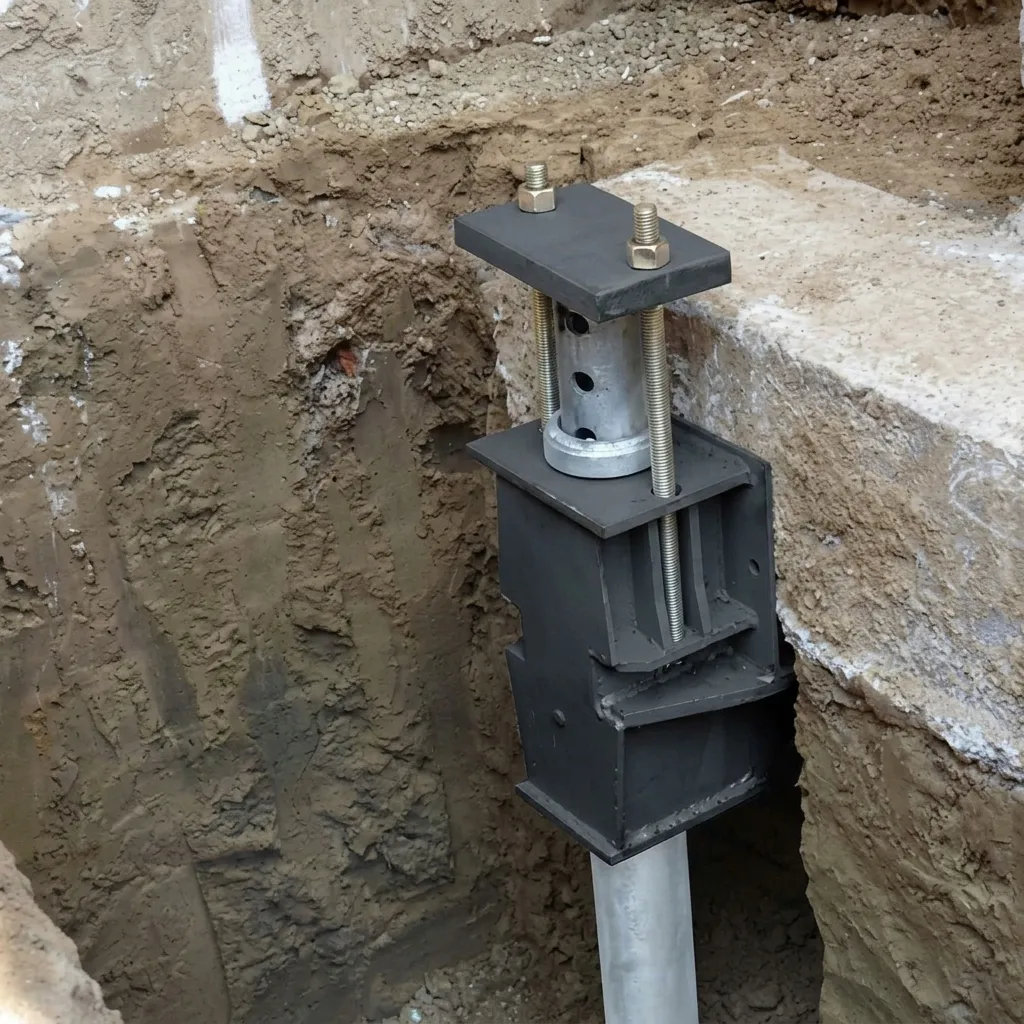
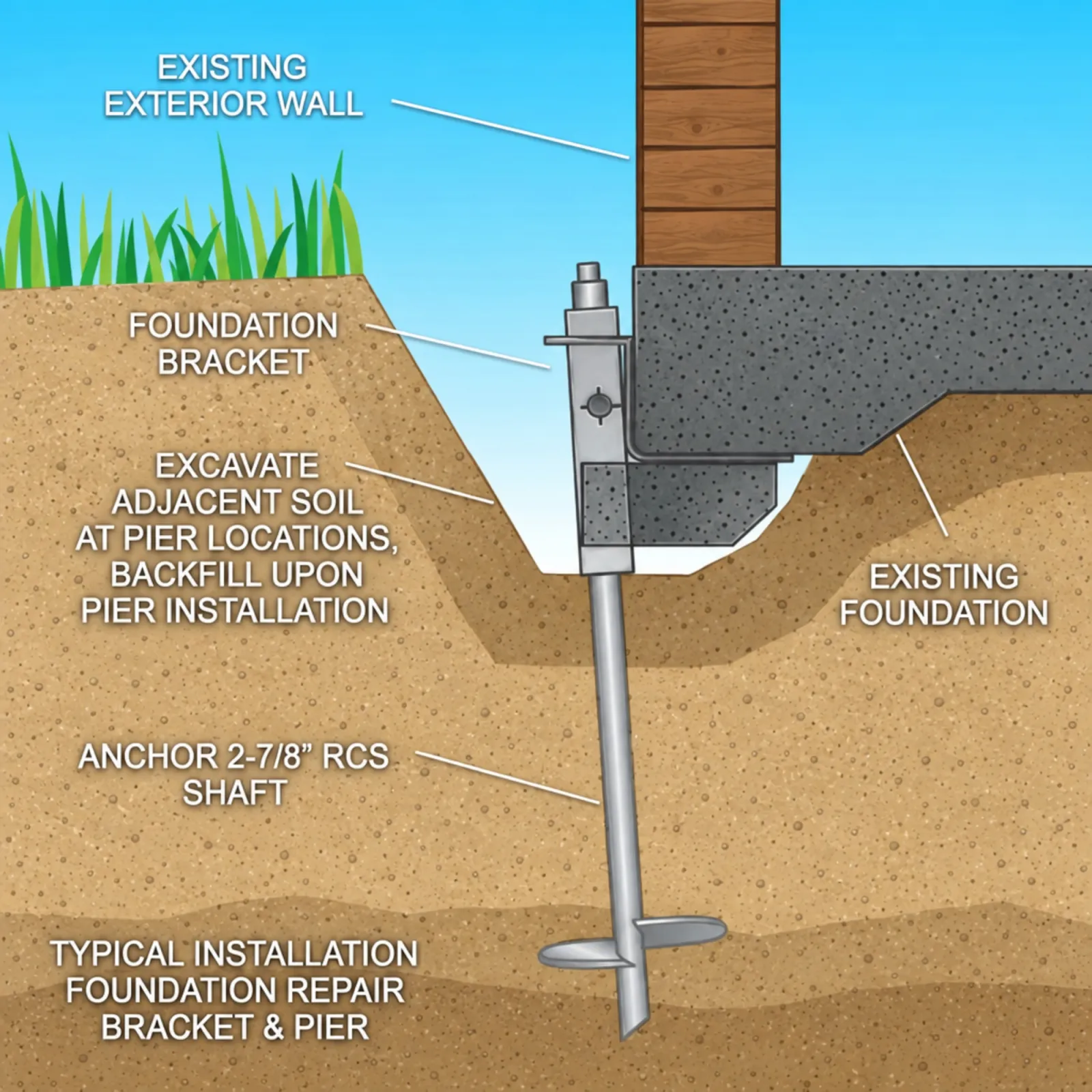
Piers are steel supports that carry a footing on deeper, firmer soil. Three kinds are common. The right one depends on the house, the soil and the access.
Ask any contractor why they picked one type over another for your house.
| Helical pier | Push pier | Slab pier | |
|---|---|---|---|
| How it goes in | A motor screws a steel shaft with helix plates into the ground | A hydraulic ram presses steel tubes down until they meet firm soil | A bracket set through a hole in the slab pushes or screws a pier down from inside |
| Where it works | Porches, additions and lighter homes; tight spaces | Heavier structures with a firm layer at depth | Slab-on-grade homes with no footing access outside |
| Ask about | Torque reading at each pier | Depth reached and the force used | Floor repair after the holes are made |
How a Pier Repair Usually Goes
- Look and measure. The visit maps cracks, checks floor levels and looks at the ground and drainage around the house.
- Plan the piers. The contractor chooses a pier type and spacing. Some homes also need an engineer's plan.
- Dig and install. Crews dig at the footing, set brackets and drive or screw the piers down to firm soil.
- Lift in small steps. The house is raised slowly and checked as it goes. Some homes are stabilized without lifting.
- Backfill and recheck. The ground is restored, and the contractor measures again. Ask for the numbers in writing.
What Moves the Price of a Pier Repair
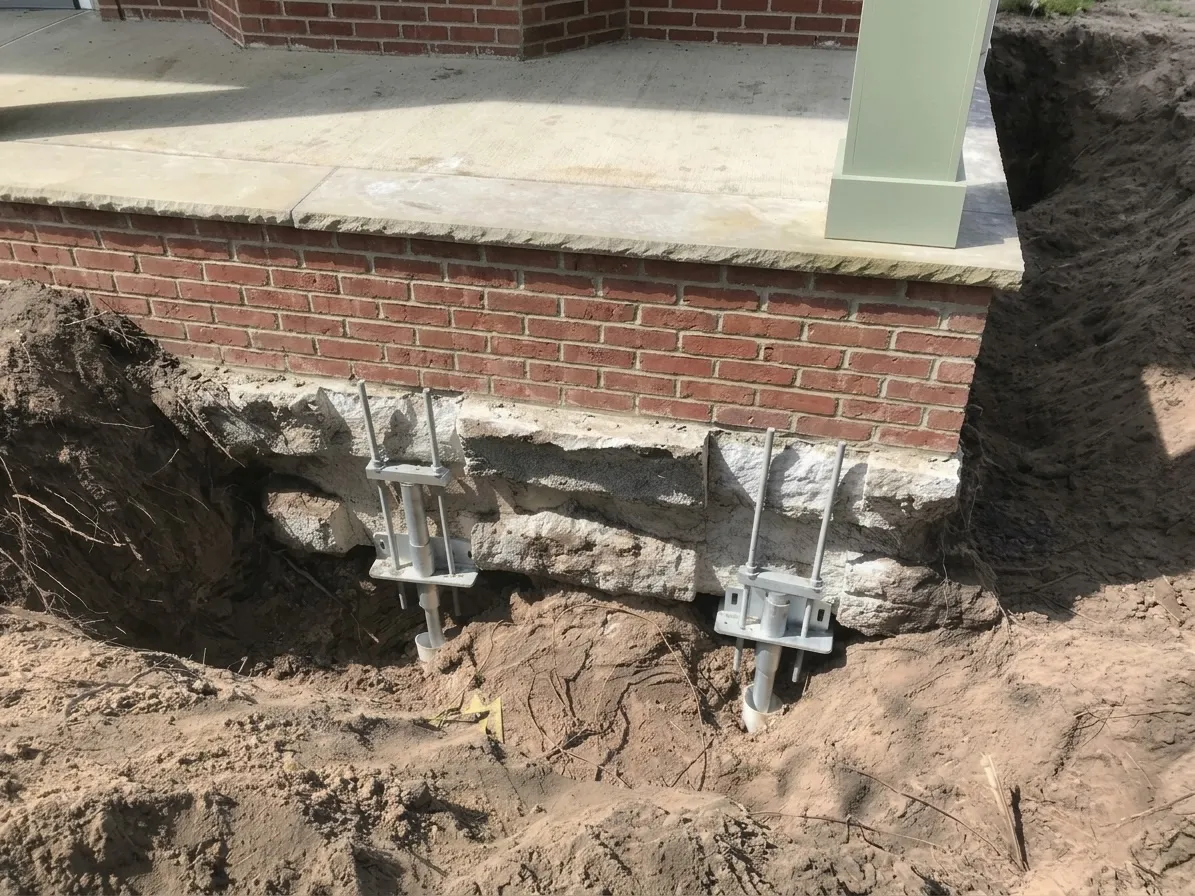
The price of a pier job moves with a few things you can ask about:
- How many piers the house needs.
- How deep the firm soil is.
- Pier type, and whether the plan comes from an engineer.
- Access around the house, such as fences, decks or slopes.
- Whether drainage or crawl space work has to be done too.
Cost ranges from other guides are on our foundation repair cost page.
Soft Ground Under Lowcountry Footings
In our NRCS soil survey samples across seven Charleston-area towns, 213 of 233 natural-soil points have low shrink-swell. The 12 high ones are all in very wet, very frequently flooded soils. So swelling clay is not the main story here.
Wet ground is. Of the 233 points, 87 are poorly or very poorly drained. At 67, the water table reaches the surface at some point in the year.
Soft, wet soil can let a footing sink. Soil changes from lot to lot, so look yours up on the Web Soil Survey.
Sources: USDA NRCS Soil Data Access, queried October 5 and 6, 2026 (samples in seven Charleston-area towns).
Foundation Repair & Piering Questions in Charleston, SC
How do I know if my house is settling or just cracking?
Hairline cracks that stay the same are common in any house. Cracks that widen, doors that stick and floors that slope point to movement. A visit and a floor-level check tell them apart.
Do piers stop all movement?
Piers aim to carry the house on firmer soil. No repair can promise zero movement. Ask what the written scope covers and how the contractor will measure the result.
Is clay the problem for Charleston foundations?
The soil survey says usually not. Shrink-swell is low at 213 of the 233 points we sampled. Wet, soft or filled ground is the likelier cause.
Will a high water table affect a pier repair?
It can affect digging and the plan. The contractor may need to manage water during the work. Tell the inspector if your yard stays wet.
Do I need an engineer?
Some jobs call for one, and some do not. It depends on the damage and the permit office for your address. Your contractor can tell you which applies.
Contact Us Today for a Free Estimate
Tell us what you see at your home. A licensed and insured contractor can check the footing and soil, then give a free estimate for foundation repair and piering in Charleston.